


Does Artificial Turf Increase Home Value? A Guide to ROI
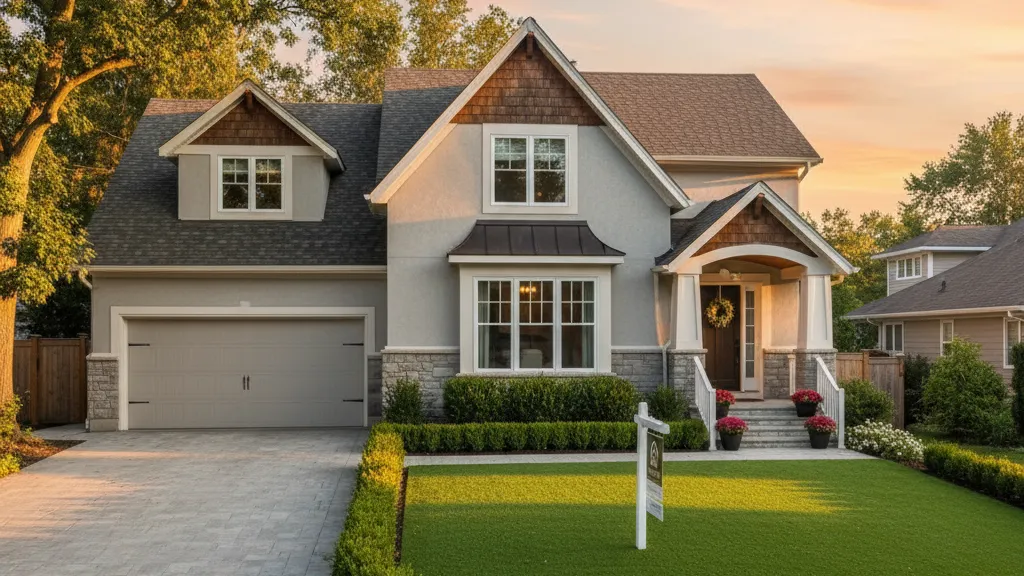
You know that curb appeal is everything. Homebuyers form an opinion the second they pull up to the curb. A patchy, brown lawn can scream ‘deferred maintenance,’ while a perfectly green yard says the property is loved and cared for. Synthetic turf delivers that flawless look without the weekend chores or sky-high water bills. But when it comes to your property’s bottom line, does artificial turf increase home value? The data says yes. More than just looking good, artificial grass can offer a real return on investment, making it an attractive feature for potential buyers.
Browse Go Green’s full lineup of turf systems built for residential landscapes.
Will Artificial Turf Actually Increase Your Home’s Value?
Landscaping improvements typically return 100% to 200% of their cost at resale, according to the National Association of Realtors. Synthetic turf falls squarely in that range, especially in water-restricted markets across the Sunbelt. Here is what the numbers look like:
- Upfront cost: Residential synthetic turf installation runs $8 to $14 per square foot, including base prep, infill, and labor.
- Annual savings: Homeowners save an average of $1,200 to $2,500 per year on water, fertilizer, pesticides, and lawn care services.
- Payback period: Most installations pay for themselves in 4 to 7 years through reduced maintenance costs alone.
- Resale bump: Real estate agents in drought-prone states report that turf upgrades contribute 5% to 15% to a home’s perceived curb appeal value.
The biggest financial win comes in states like Arizona, Nevada, California, Texas, and Florida, where water costs are high and drought restrictions can leave natural lawns looking barren for months at a time. In these markets, a lush synthetic lawn is not just cosmetic. It is a functional upgrade that buyers actively seek out.
For a detailed look at what turf costs for a full backyard project, see our breakdown of artificial turf backyard costs.
The Financial Breakdown: ROI and Sale Speed
Beyond the immediate visual upgrade, installing synthetic turf is a strategic financial decision. It’s one of the few home improvements that not only saves you money over time but also increases your property’s value at resale. The numbers show a clear return, both in long-term savings on water and maintenance and in how quickly your home can attract the right buyer. This isn’t just about having a consistently beautiful lawn; it’s about making a smart investment in your property that pays dividends from day one and continues to deliver value when it’s time to sell. Let’s look at exactly how that return on investment breaks down.
Calculating Your Return on Investment
When you think about home improvements, the first question is often, “Will I get my money back?” With synthetic turf, the answer is a resounding yes. The National Association of Realtors reports that general landscaping improvements can return between 100% and 200% of their cost when you sell your home, and high-quality artificial grass fits perfectly within that range. But the financial benefits start long before you put a “For Sale” sign in the yard. Most turf installations pay for themselves in just four to seven years, thanks to the elimination of costs for watering, fertilizing, and weekly lawn care services. It’s an upgrade that saves you money every month and adds significant value when it’s time to move. Choosing a durable, high-performance landscape turf ensures that value holds up for years to come.
How Quality Landscaping Influences Buyers
First impressions are everything in real estate, and a lush, green lawn makes a powerful statement. Real estate agents, particularly in drought-prone states like Arizona, California, and Texas, report that a synthetic turf upgrade can increase a home’s perceived curb appeal value by 5% to 15%. In markets where water restrictions leave natural grass looking stressed and brown, a vibrant green lawn stands out as a premium feature. It tells potential buyers that the home is low-maintenance, modern, and built for easy living. This isn’t just a cosmetic touch; it’s a functional upgrade that solves a major pain point for homeowners in water-conscious regions, making your property more attractive and memorable. You can see the difference for yourself in our project gallery.
When Does Artificial Grass Add the Most Value?
The honest answer is: it depends on the market and the quality of the installation. In the Sunbelt states listed above, synthetic turf is now a mainstream landscaping choice. Buyers expect it, appraisers recognize it, and it consistently adds value. In cooler, wetter climates where natural grass grows easily, the value-add is smaller but still present for specific buyer segments like busy professionals and pet owners.
Three factors determine whether your turf investment translates to higher resale value:
1. Why Professional Installation is Non-Negotiable
A professionally installed system with proper drainage, compacted base rock, and high-quality infill looks and performs like a premium upgrade. A DIY job with visible seams, pooling water, and cheap backing looks like a cost-cutting shortcut. Buyers can tell the difference.
If you are considering doing the work yourself, read our step-by-step installation guide to understand what is involved before you commit.
Understanding Installation Costs
Let’s get into the numbers. A professionally installed synthetic turf system typically costs between $8 and $14 per square foot. That figure isn’t just for the turf; it’s an all-inclusive price that covers the crucial base preparation, the correct infill for your specific needs, and the expert labor that ensures a flawless, long-lasting result. It’s easy to focus on that initial number, but it’s better to see it as a one-time investment in your property. This is an upgrade that starts paying you back immediately, both in real savings and in the simple joy of having a perfect, maintenance-free yard.
So, how does that payback actually work? After switching to turf, most homeowners save between $1,200 and $2,500 annually. These aren’t just abstract figures; they come from cutting real expenses like soaring water bills, seasonal fertilizers, chemical pesticides, and hiring a lawn service. When you add it all up, the average turf installation pays for itself in just four to seven years. From that point forward, the money you would have spent on upkeep stays in your bank account. Plus, you get to reclaim your weekends without sacrificing a beautiful lawn.
The financial benefits go beyond just annual savings. A quality turf installation directly influences your home’s resale value. Real estate agents in water-conscious states like Arizona, California, and Texas often see homes with synthetic turf gain a 5% to 15% bump in perceived curb appeal value. In these areas, a consistently green lawn isn’t just a luxury—it’s a smart, functional upgrade that signals low maintenance to potential buyers. When you choose a high-performance turf system, you’re doing more than just creating a beautiful outdoor space. You’re making a strategic investment that makes your property more attractive on the market.
2. How Cool-Touch Turf Attracts Buyers
One common concern buyers raise is surface heat. Standard turf can reach 150 degrees Fahrenheit on a hot summer day. Heat-reduced turf products address this directly by reflecting infrared light rather than absorbing it.
Go Green’s HEATMAXX product line is specifically engineered to stay cooler, making it a strong selling point when listing a home in a warm climate. Buyers with kids and pets especially value this feature.
3. Why Proper Drainage is a Must-Have Feature
Pooling water on turf is a red flag for any buyer. Modern turf systems use permeable backing and crushed aggregate base layers to drain faster than natural soil.
Go Green’s AQUAMAXX line is the fastest-draining turf on the market, handling heavy rain without puddling. This matters for pool decks, side yards, and properties in flood-prone areas. If drainage is a concern, check out our article on how to evaluate turf drainage solutions.
See the full range of Go Green turf products for residential, pet, and sport applications.
4. Adding Specialty Features like Putting Greens
Beyond a simple, clean lawn, you can add features that turn your yard into a destination. Custom putting greens are a popular choice, transforming an unused patch of grass into a functional recreational space. While a standard turf installation already enhances curb appeal, a specialty feature like this speaks directly to certain buyers—golf enthusiasts, families, or anyone who loves to entertain. This unique upgrade makes your home more memorable and can give you a significant edge when it comes time to sell, appealing to niche markets willing to pay for built-in lifestyle amenities.
The added value, however, is all in the execution. A lumpy, slow putting green won’t impress potential buyers. To be seen as a premium upgrade, it needs to be professionally installed with a compacted base and use turf designed for a true ball roll. Using performance-oriented turf systems ensures the surface plays as good as it looks, which is what buyers will notice. When done right, a putting green is a functional, high-end feature that signals quality and thoughtful investment throughout the property.
Beyond Curb Appeal: The Real Perks of Synthetic Turf
Beyond the direct resale bump, synthetic turf delivers ongoing financial and lifestyle benefits that compound over time:
Slash Your Water Bills for Good
A 1,000-square-foot natural lawn uses roughly 20,000 gallons of water per year just for basic irrigation. At average U.S. water rates, that is $150 to $300 annually. In drought-surcharge areas of California or Arizona, the number can double or triple. Synthetic turf cuts that number to zero.
Many water utilities also offer rebates for replacing natural grass with synthetic turf. Programs in Las Vegas, Los Angeles, and Phoenix have paid homeowners $1 to $3 per square foot removed, directly offsetting installation costs.
A Look at Household Water Usage
It’s easy to underestimate how much water a lawn really needs. According to the EPA, outdoor water use can account for more than 30% of a household’s total water consumption, and in dry climates, that figure can jump to 60%. That 1,000-square-foot patch of green in your backyard can easily consume 20,000 gallons of water each year just to stay alive. That’s enough water to do nearly 600 loads of laundry. By switching to a high-quality synthetic turf system, you eliminate that expense entirely, freeing up a significant portion of your utility budget and reducing your home’s environmental footprint.
Reclaim Your Weekends (and Ditch the Chemicals)
The average homeowner spends 70 hours per year on lawn maintenance. That is nearly two full work weeks. Beyond the time cost, gasoline mowers produce emissions, and chemical fertilizers and herbicides contaminate groundwater.
Synthetic turf eliminates all of that. An occasional rinse and brush is all it takes. This low-maintenance benefit is a major selling point for busy homeowners and a concrete value-add when listing a property.
Reducing Landfill Waste and Pests
It’s not just about saving time; it’s also about what you’re keeping out of the local environment. A typical yard generates a lot of clippings, and yard trimmings make up a significant portion of municipal landfill waste. Synthetic turf eliminates that contribution entirely. Plus, a natural lawn is an open invitation for pests like grubs, ants, and fleas that thrive in soil and thatch. By removing their habitat, you also remove the need for harsh chemical pesticides and herbicides. This creates a yard that’s not only cleaner but also safer for your family and pets to enjoy.
Get a Perfect Green Lawn, 365 Days a Year
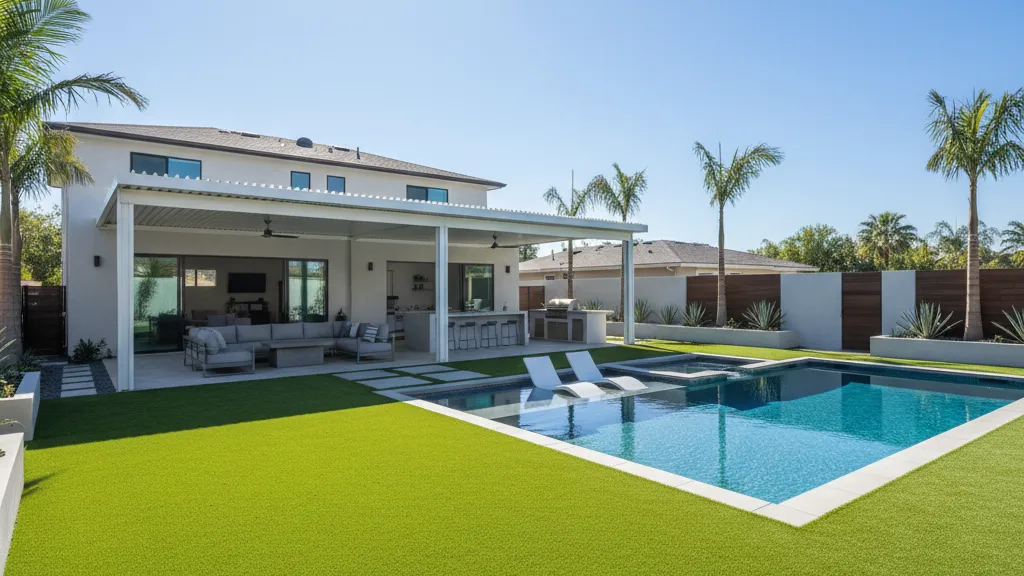
Natural grass goes dormant in winter, turns brown in drought, and develops bare patches from heavy foot traffic. Synthetic turf looks the same in January as it does in July. That consistency is what real estate photographers love and what drives the higher perceived value in listing photos.
For a comprehensive look at the trade-offs between synthetic and natural grass, read our pros and cons breakdown.
Why Pet Owners Will Pay More for a Turf Lawn
Over 65% of U.S. households own a pet. For this massive segment of buyers, a pet-friendly yard is not optional. It is a requirement. Natural grass develops urine spots, mud patches, and worn paths from pet traffic. Synthetic pet turf eliminates all three problems.
Go Green’s PETMAXX product line is designed specifically for pet owners, with antimicrobial infill and a drainage system that handles waste and rinse water efficiently. A yard with purpose-built pet turf signals to buyers that the home is ready for their four-legged family members.
For more on choosing the right pet turf, see our pet turf buyer’s guide.
Solving Common Pet Problems
A pet-friendly yard is more than just a patch of green. It needs to handle the daily reality of active pets, which means dealing with digging, waste, and constant traffic. Natural grass often fails this test, leaving homeowners with a yard that looks and smells bad. Synthetic turf designed for pets addresses these issues head-on, turning a problem area into a clean, functional space. For potential buyers with pets, seeing a yard that is already equipped to handle their needs is a massive advantage that makes a property stand out.
Advanced Infill for Odor Control
The number one concern for pet owners considering turf is odor. Natural lawns absorb urine, creating lingering smells that are nearly impossible to remove. A high-quality pet turf system solves this with specialized components. Go Green’s PETMAXX line, for example, uses antimicrobial infill that helps prevent the growth of odor-causing bacteria. Paired with a fully permeable backing and a properly prepared base, the system allows liquids to drain through efficiently. This means pet waste can be easily scooped and the area rinsed clean, keeping the yard fresh and hygienic for everyone.
No More Muddy Paws
Beyond odor, the constant battle with mud is a major headache for pet owners. Rain turns a natural lawn into a mud pit, and pets inevitably track dirt and grass clippings throughout the house. Synthetic turf completely eliminates this problem. Because there is no soil, there is no mud—ever. The durable surface also stands up to digging and heavy play, so you will not see the worn-out paths and yellow spots that plague natural grass. For a home seller, this translates to a pristine yard that looks great in all weather and promises buyers a cleaner, lower-maintenance lifestyle.
Potential Downsides and How to Address Them
While synthetic turf offers a huge upside, it’s smart to go into the decision with a clear view of the potential concerns buyers might have. The good news is that for every common objection, modern turf technology has a straightforward solution. Addressing these points proactively not only prepares you for questions but also highlights the quality of the system you’re choosing. It shows you’ve done your homework and selected a product built for real-world performance, not just for a quick sale.
Buyer Perceptions vs. Modern Turf Reality
Let’s be honest: some people still picture the bright green, plastic-looking turf of decades past. But today’s high-quality synthetic grass is a completely different product. Modern manufacturing techniques create multi-toned fibers with varied blade shapes and a soft, realistic texture that mimics natural grass. When a potential homebuyer sees a yard, their first impression is about maintenance. A patchy, brown lawn can signal neglect, while a lush, uniform green surface suggests the property is well-cared-for. A professional installation ensures the turf looks like a premium landscape feature, not a shortcut. You can see examples of how realistic modern turf looks in different settings.
Managing Surface Heat in Direct Sun
One of the most common questions about synthetic turf is whether it gets hot in the summer. Standard turf can absorb sunlight and reach temperatures of 150 degrees Fahrenheit on a hot day, which is a valid concern for families with kids and pets. However, this issue has been solved with advanced cooling technology. Products specifically engineered for heat reduction use infrared-reflective fibers that don’t absorb the sun’s rays in the same way. Instead of heating up, the surface stays significantly cooler to the touch. Our HEATMAXX® SOFT line is designed for this exact purpose, making it a smart choice for homes in sunny climates and a key selling point for buyers.
Checking HOA and Local Regulations First
Before starting any turf project, it’s always a good idea to check with your local Homeowners Association (HOA) or city ordinances. Some HOAs have specific guidelines about landscaping materials. While this might seem like a hurdle, you may be pleasantly surprised. In many regions, especially those facing water shortages, local governments actively encourage homeowners to switch to synthetic turf. Water utilities in cities like Las Vegas, Los Angeles, and Phoenix often offer substantial rebates for removing natural grass, sometimes paying homeowners $1 to $3 per square foot. These programs can directly offset the installation cost, turning a potential restriction into a financial incentive.
How to Maximize Your Turf Investment Before Selling
If you are installing synthetic turf specifically to boost resale value, here are four practical steps to get the best return:
- Invest in professional installation. A properly graded base with adequate drainage prevents issues that scare off buyers. Go Green’s installation resources cover what to expect from a quality install.
- Choose a realistic blade profile. Modern turf products with mixed blade heights, colors, and textures are nearly indistinguishable from natural grass. Avoid flat, uniform products that look obviously artificial.
- Address high-traffic and high-visibility areas first. The front yard, pool area, and side yards deliver the most curb appeal per dollar spent.
- Keep documentation. Save your invoices, warranty information, and product specs. Buyers and their home inspectors will want to know what product was used and how long the warranty runs.
Request a quote or find a Go Green dealer near you.
Frequently Asked Questions
Does artificial turf increase home value?
Yes. In most markets, a quality synthetic turf installation adds measurable curb appeal and saves buyers thousands in annual water and maintenance costs. The effect is strongest in drought-prone and warm-climate markets across the Sunbelt.
How long does synthetic turf last?
Quality synthetic turf lasts 15 to 25 years with proper installation and basic maintenance. UV-stabilized fibers resist fading, and modern drainage systems prevent base deterioration. This longevity is part of what makes turf a sound investment.
Is artificial grass worth the investment for a small yard?
Absolutely. Small yards often show the best return because the installation cost is lower and the visual impact is higher. A uniformly green 500-square-foot front yard creates a strong first impression without a five-figure investment.
Does synthetic turf get too hot in the summer?
Standard turf can get warm on peak summer days, but heat-reduced products like Go Green’s HEATMAXX line reflect infrared light to stay significantly cooler. If heat is a concern, choosing a heat-managed product eliminates the issue.
Do home appraisers recognize synthetic turf as an improvement?
Some appraisers in water-restricted markets now include synthetic turf as a landscaping improvement. While it is not universally treated as a line-item upgrade in appraisals, the enhanced curb appeal and buyer interest it generates consistently influence final sale prices.
Is Artificial Turf the Right Choice for Your Home?
Synthetic turf is no longer a niche landscaping choice. It is a practical upgrade that saves water, cuts maintenance costs, and keeps your yard looking pristine year-round. For homeowners in warm, drought-prone markets, it is one of the highest-ROI landscaping investments you can make. For everyone else, it still delivers meaningful curb appeal and lifestyle benefits that buyers notice.
The key is quality. Choose a proven product, invest in professional installation, and your turf will pay for itself long before you sell.
Key Takeaways
- Treat turf as a smart financial move: A quality installation can increase your home’s perceived value by up to 15% and saves you thousands in annual water and maintenance costs, often paying for itself in just four to seven years.
- Don’t cut corners on quality: Your return on investment depends on a flawless look and performance. Professional installation with proper drainage and realistic materials is what makes turf a premium upgrade instead of a liability.
- Choose turf that solves real problems: Address common buyer concerns from the start by selecting products with features like cooling technology for hot climates, superior drainage for pool areas, or a durable, easy-to-clean system for pets.